

TL;DR
- Solar can help many Pacific Northwest businesses smooth out long-term energy costs, but the benefits are rarely about eliminating the bill entirely.
- A well-designed system often covers a meaningful share of annual kWh use, reduces exposure to future rate hikes, and signals a commitment to sustainability.
- The best results come from accurate load data, realistic production estimates, and clear internal expectations about payback and ROI.
When facility managers and business owners in Washington and Oregon look at solar, they usually have two questions: will this actually move the needle on our bills, and what does the real-world payoff look like in our cloudy climate? Those are the right questions. Rather than promising a one-size-fits-all result, this post looks at what a typical light industrial or commercial building in the PNW might see—under realistic assumptions about roof space, usage patterns, and incentives.
Table of Contents
- What a typical PNW commercial scenario looks like
- How solar shows up on a commercial bill
- The role of incentives and depreciation
- What makes a commercial solar project successful in the PNW
- Frequently asked questions
Key Takeaways
| Point | Details |
|---|---|
| Solar manages energy risk | For most businesses, the goal is a predictable lower-cost energy baseline over 20–25 years—not a zero-dollar bill. |
| Typical systems offset meaningful usage | A 100–200 kW rooftop system can cover a significant share of annual kWh, especially during long summer days. |
| State and local incentives matter | Washington and Oregon have programs that can improve project economics. Loop in a tax professional early. |
| Data quality drives accuracy | Good proposals start with at least 12 months of utility bills and interval load data. |
What a Typical PNW Commercial Scenario Looks Like
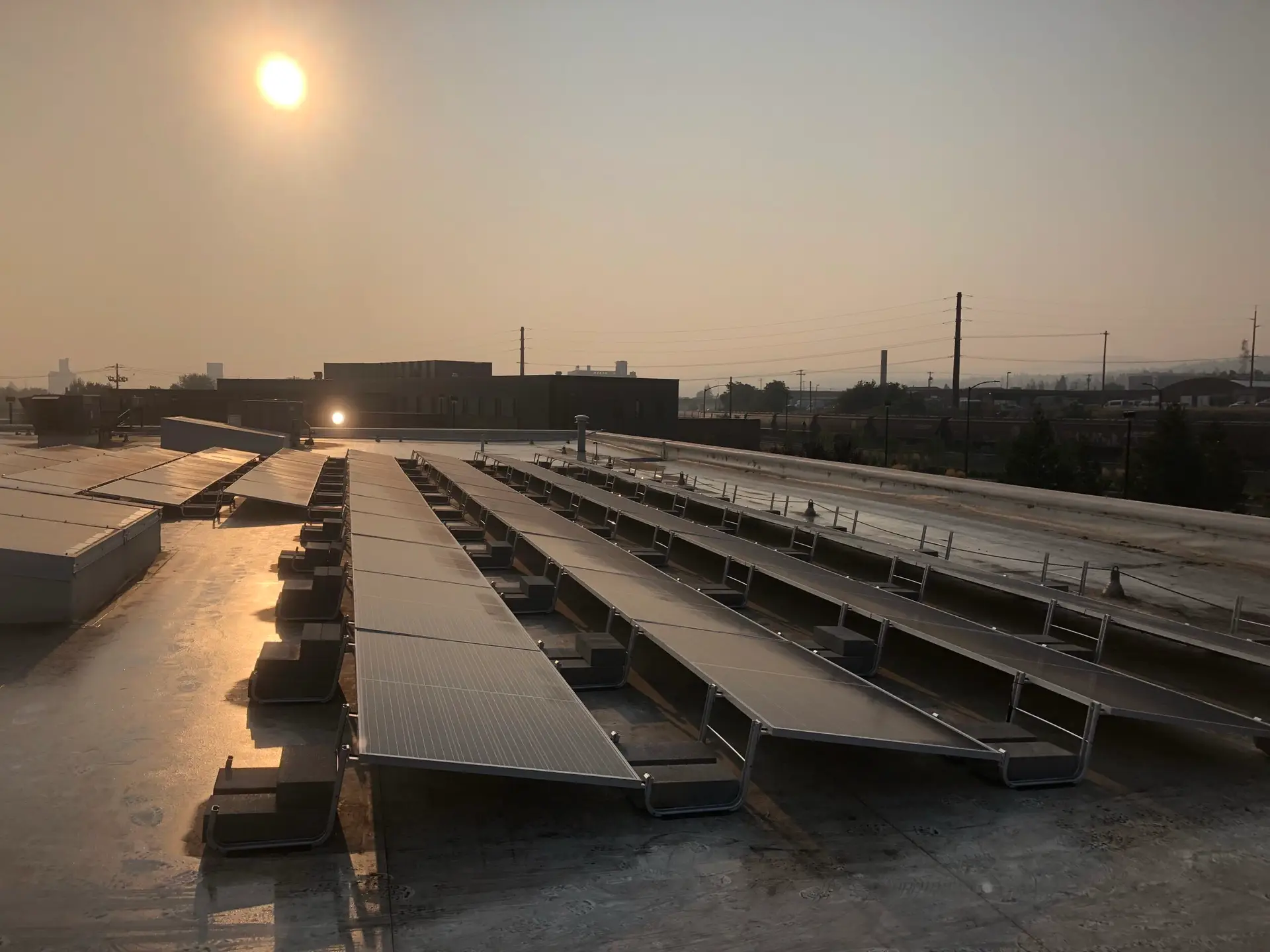
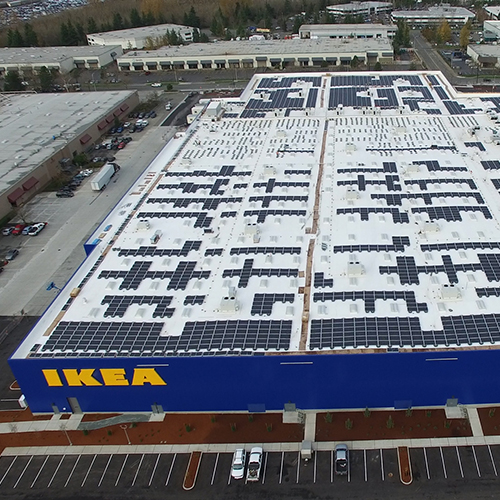
No two commercial sites are identical, but there are common patterns in the Pacific Northwest. A light industrial or warehouse-type building might have a large, mostly unobstructed roof with room for a 100–200 kW system, year-round electric usage driven by lighting, ventilation, and process loads, and operating hours that skew toward daytime—which aligns reasonably well with solar production.
In this kind of scenario, a well-sized array often aims to cover a substantial portion—not all—of the facility’s annual kWh needs. The goal is to flatten the most volatile part of the bill and create a more predictable energy cost baseline over the next 20–25 years. Because we are in the PNW, production is seasonal: output is lower in darker winter months and higher in spring and summer when days are long.
How Solar Shows Up on a Commercial Bill
Commercial bills can be more complex than residential ones. In addition to energy charges (kWh), many PNW businesses pay demand charges based on their highest usage spikes during a billing period. Solar interacts with these line items differently.
For the energy portion, solar often reduces the total kWh purchased from the grid over a year. Demand charges are trickier. Solar can help trim peak demand if those peaks occur during sunny hours and the system is large enough to make a dent—but if demand spikes happen early morning or evening, when solar is not producing, the impact is limited.
Pro Tip: A good commercial analysis always looks at interval data—the 15- or 30-minute load profile—to see how solar lines up with real-world usage. Most businesses should expect solar to do more for the energy component of the bill than for demand charges, unless the load profile is particularly favorable.
The Role of Incentives and Depreciation
Commercial projects in Washington and Oregon can often layer multiple financial benefits, including accelerated depreciation and state- or utility-level incentives where available, which may include rebates or production-based payments depending on program rules. These financial tools do not change how many kilowatt-hours the panels produce, but they do change how quickly the project can pay for itself.
Because each business’s tax situation and eligibility are different, it is important to loop in a tax professional early. A clear picture of how your organization can use incentives and depreciation will lead to a more honest conversation about payback and internal rate of return.
What Makes a Commercial Solar Project Successful in the PNW
Projects with the best outcomes in Washington and Oregon tend to share a few traits:
- Good data going in. They start with at least 12 months of utility bills and, ideally, interval data so designers can see when the site actually uses power.
- Realistic production estimates. The modeling accounts for local weather patterns, shading, roof layout, and equipment choices that make sense for the climate.
- Aligned expectations. Decision-makers understand that solar is a long-term infrastructure asset judged on a multi-year horizon.
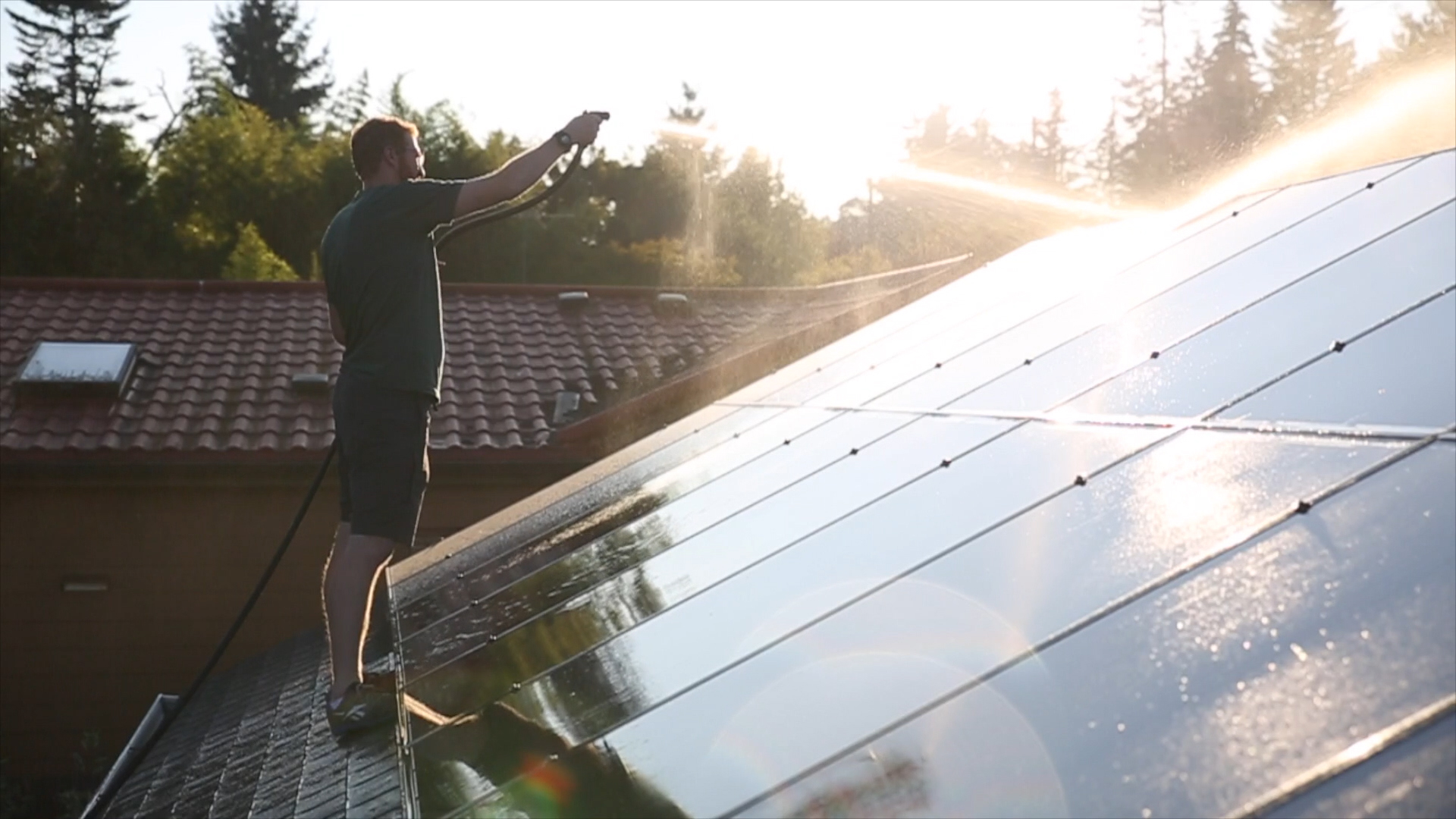
- A clear O&M plan. There is a defined plan for monitoring, occasional cleaning, and timely response to any alerts or issues.
For most Pacific Northwest businesses, solar is less about chasing a zero-dollar bill and more about building a predictable, lower-volatility slice of their energy supply. Start by pulling your last 12 months of bills, noting both total kWh and demand charges, and sketching out your operating hours. Those fundamentals will make any conversation with an installer much more specific.
Frequently Asked Questions
Does solar work well for commercial buildings in cloudy PNW weather?
Yes. Production is seasonal, with lower output in winter and higher output in summer, but commercial systems in Washington and Oregon are designed to account for the local climate when sizing and estimating annual kWh delivery.
Will solar eliminate our electricity bill?
Rarely in a commercial context. The goal is usually to offset a meaningful share of annual kWh usage and reduce exposure to future rate increases, not to reach a zero-dollar bill. Demand charges and off-peak usage still contribute to the bill regardless of solar.
What incentives are available for commercial solar in Washington and Oregon?
State and utility programs vary and change over time. Ask your installer about programs currently available in your area, and consult a tax professional about how depreciation and other financial tools may apply to your specific situation.