TL;DR
- A quick monthly check of your inverter and production app is the easiest way to confirm your system is healthy.
- Physical issues like debris buildup or discolored cells can often be spotted from the ground without a ladder.
- Comparing your current monthly kWh production to previous years helps identify gradual performance dips.
- Safety first: always call a professional for electrical testing or if you notice frayed wiring or loose mounting hardware.
Solar panels are remarkably low-maintenance, but they are not “set it and forget it.” If your solar system is five years old or more, a few quick checks can help you catch small issues early and keep your savings on track.
Table of Contents
- What to look for during a visual inspection
- How to know if your solar system is working correctly
- Comparing solar production with your electricity consumption
- Keeping your investment secure
- Frequently asked questions
Key Takeaways
| Point | Details |
|---|---|
| Check your monitoring app monthly | Your app shows real-time panel output and flags issues before they become costly problems. |
| Ground-level visual inspection | Look for discoloration, debris, cracks, or loose hardware without climbing on the roof. |
| Compare year-over-year production | A dip of more than 15% compared to the same month last year warrants a professional check. |
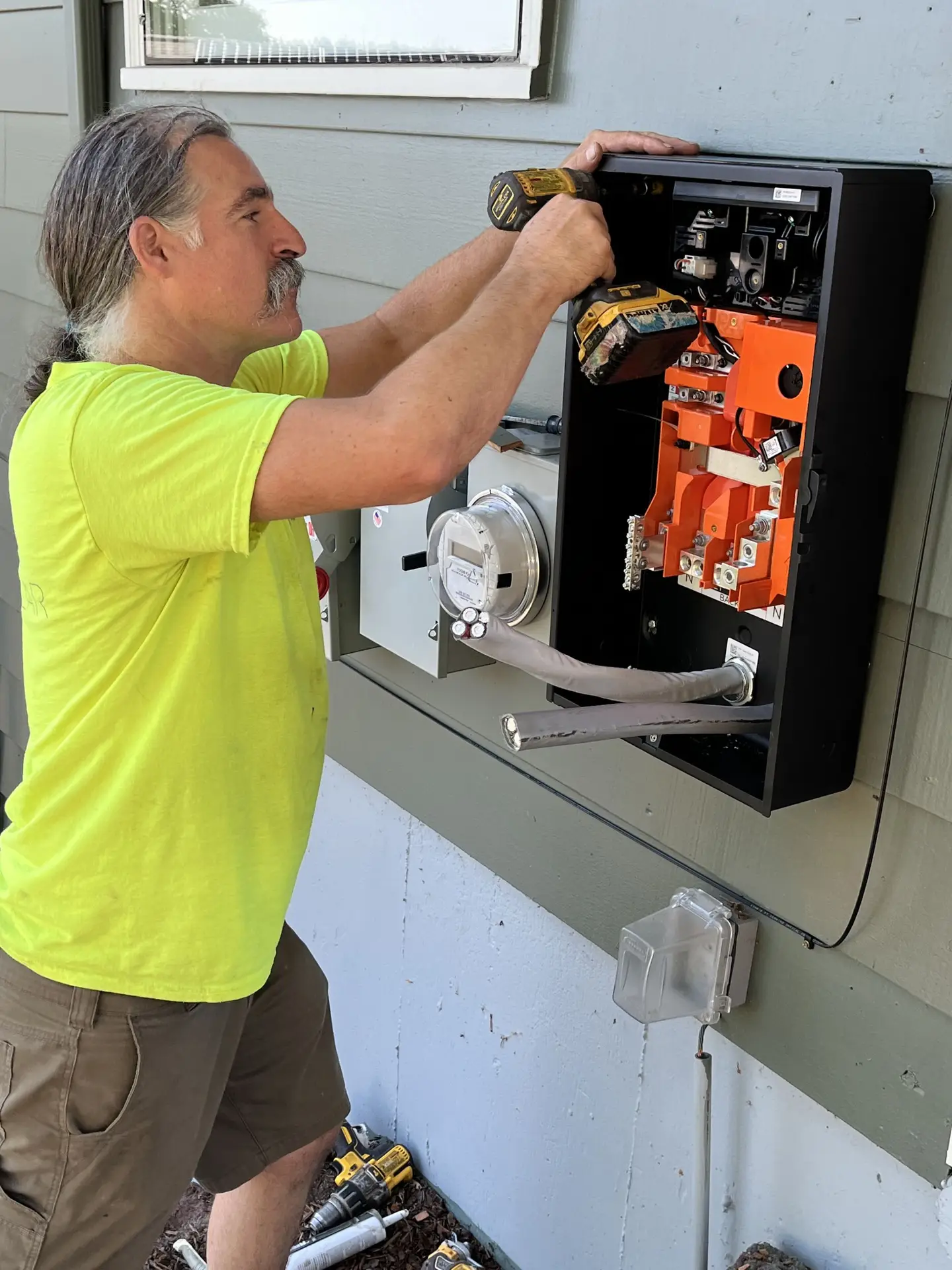
| Call A&R for anything electrical | Never attempt to troubleshoot inverter wiring or mounting hardware yourself. |
What to Look for During a Visual Inspection
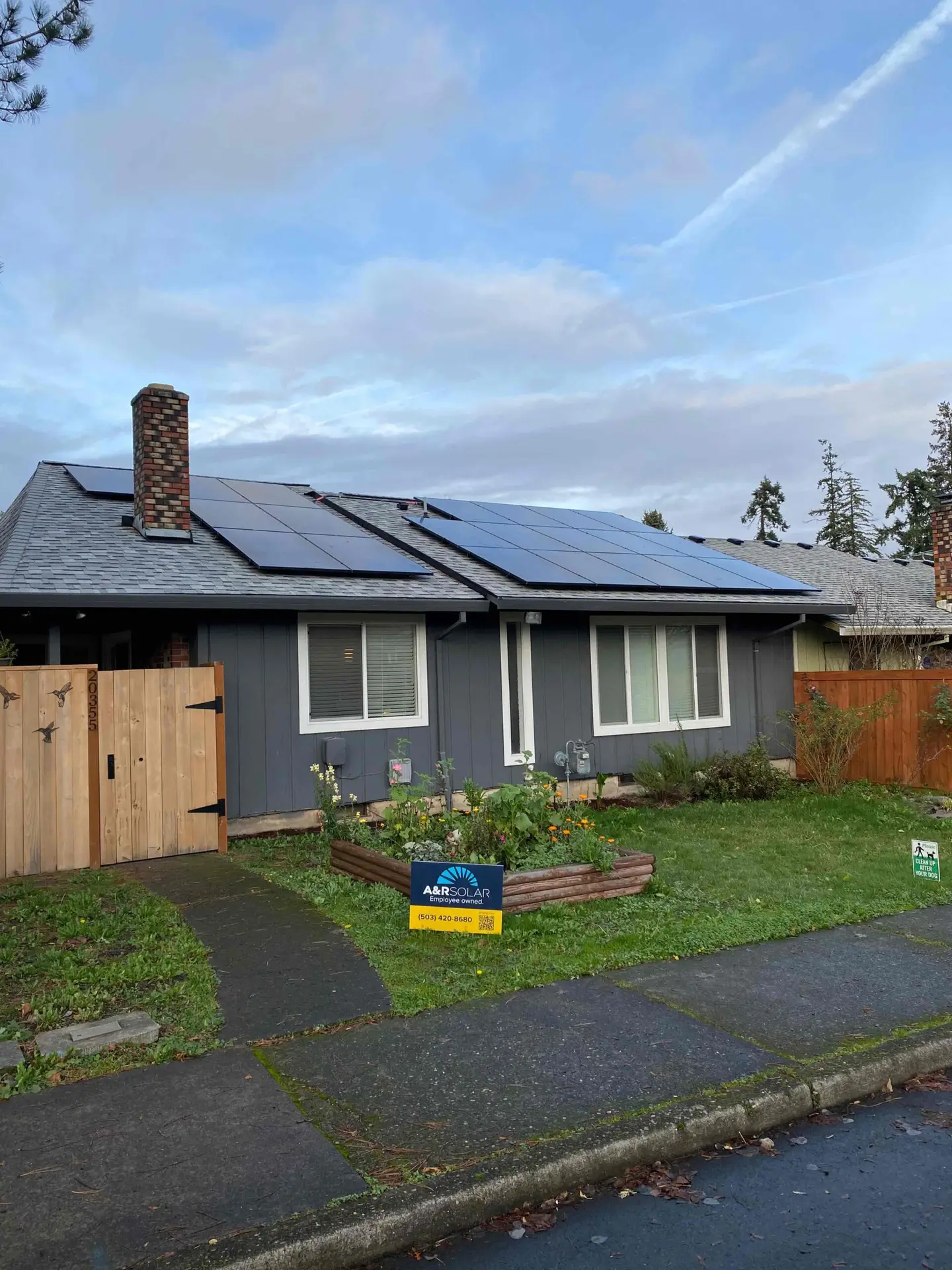
You do not need to climb onto your roof to get a good sense of your system’s health. For most residential systems, a clear view from the ground or a second-story window is enough.
Start by looking for discoloration. Brownish tints on the cells can indicate internal electrical issues known as hot spots—areas where one part of the panel runs much hotter than it should, quietly reducing energy production and potentially causing permanent damage. If you see what may be a hot spot, call A&R directly for assistance.
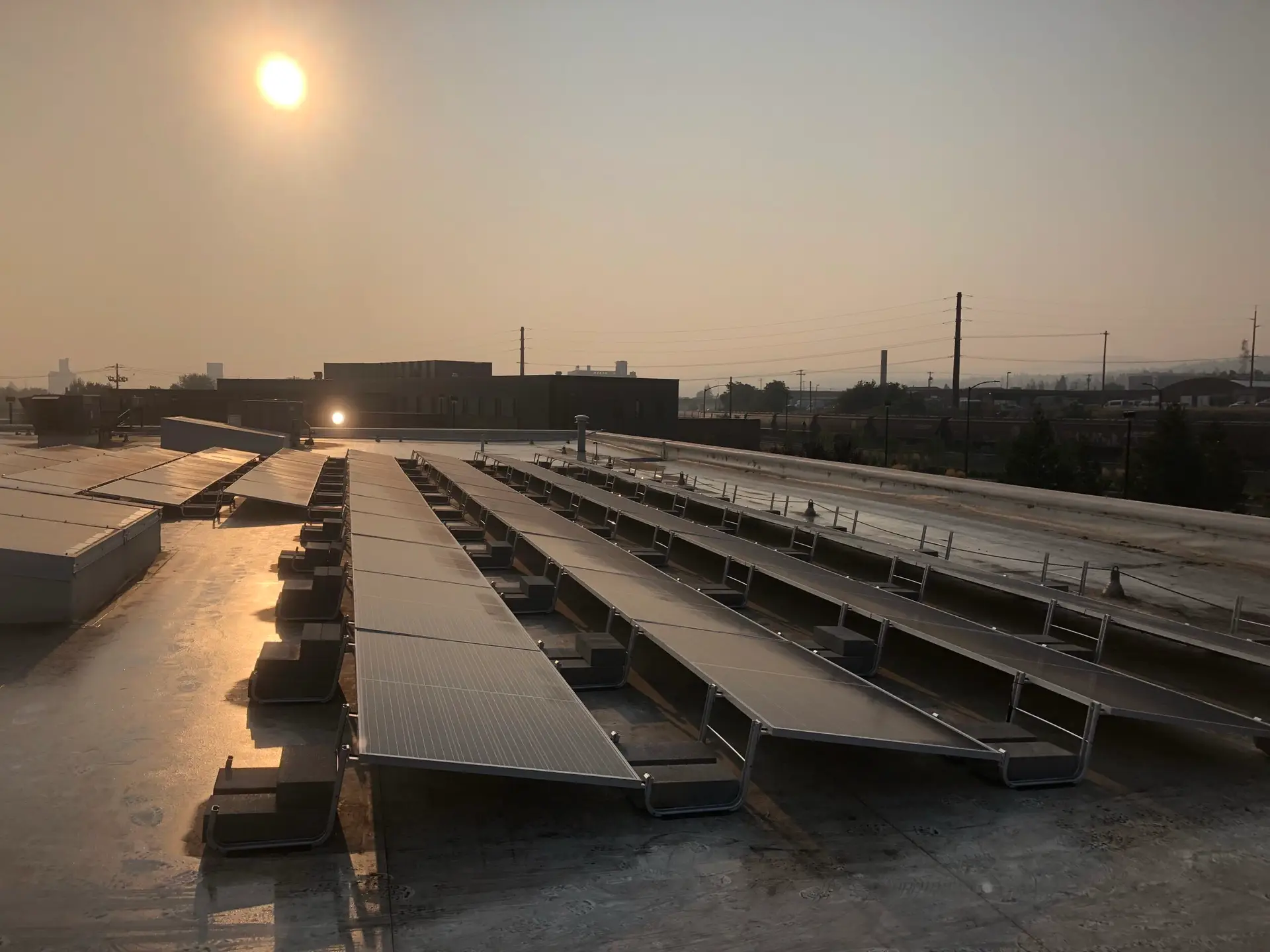
Then check for physical obstructions. In the Pacific Northwest, fallen leaves, pine needles, and bird nesting materials can collect on or around arrays. While rain helps wash debris off, a heavy layer of grime may reduce production. Also look for cracks in the glass, which can let moisture into the laminate over time.
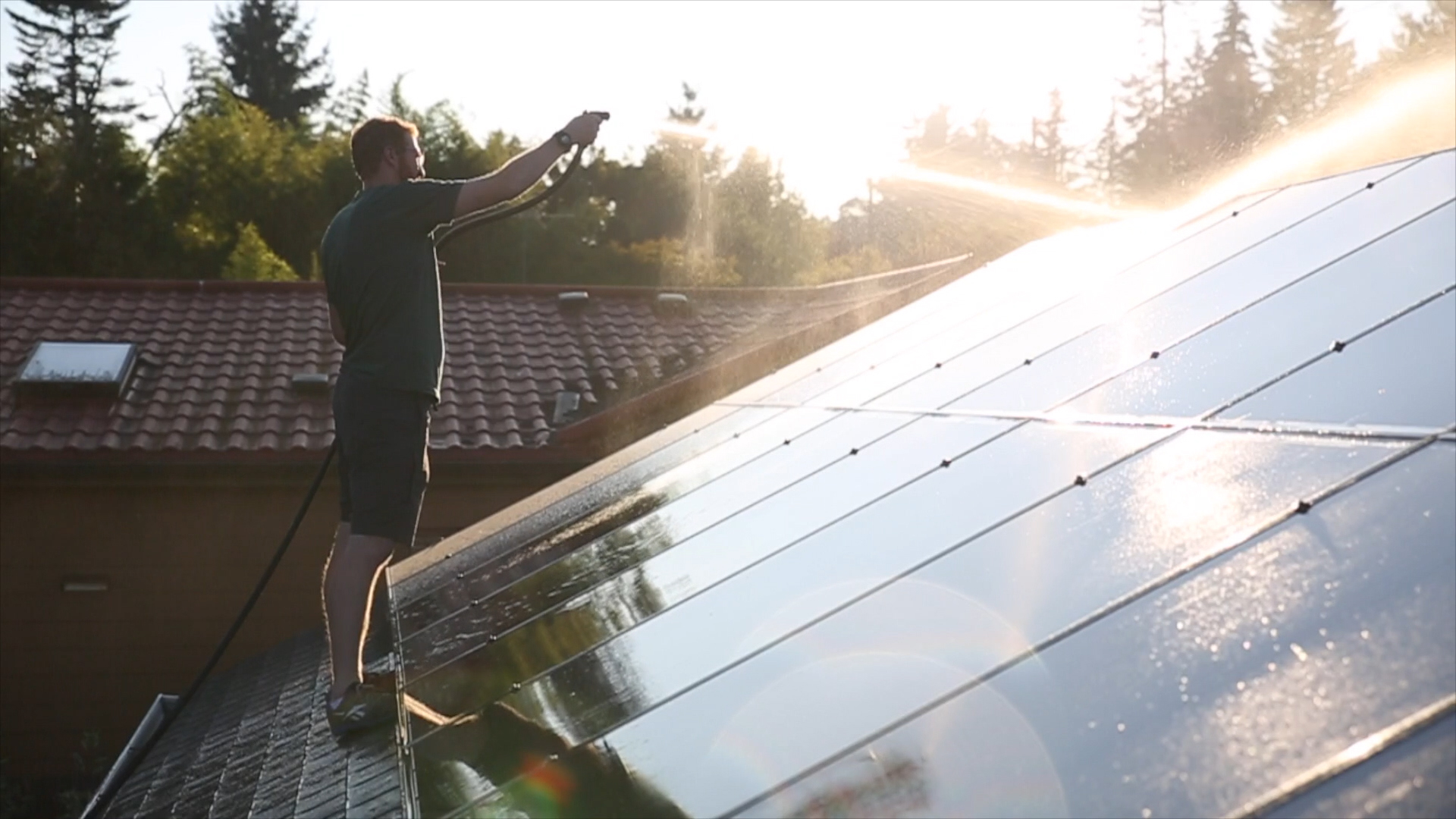
Pro Tip: Use binoculars for a closer ground-level view of your panels. If you do clean panels yourself, use a soft bristle brush and water in the morning or evening when panels are cool—hot glass and cold water can cause cracking.
How to Know if Your Solar System Is Working Correctly
Your inverter is the brain of your solar array. One of the most important things you can do as a solar homeowner is check your solar monitoring app (such as Sunvoy) regularly. Your app gives you a real-time window into how your system is performing—showing how much energy each panel produces, flagging alerts, and helping you catch small issues before they become costly problems.
Call A&R Solar if you notice any of the following:
- Red error alerts that do not clear within 24 hours
- One or more panels showing as “not producing” during daylight hours
- Overall system production noticeably lower than the same time last month or last year
- Your monitoring gateway has been offline for more than a day and a basic router reset has not helped
Pro Tip: Many wall-mounted inverters have LED indicators. A solid green light usually means normal operation. A blinking red or orange light often indicates a fault code. Write down any error message before calling—it helps our technicians diagnose the issue faster.
Comparing Solar Production With Your Electricity Consumption
Solar production naturally changes with the seasons. A cloudy March in the PNW will yield less solar production than a clear July. The best way to evaluate system health is to compare annual production year over year in your monitoring app, then compare that figure against your annual electricity consumption from your utility bill.
For example, if your 8 kW system produced 900 kWh last June but only 600 kWh this June with similar weather, check your monitoring app for production alerts. A drop of more than 15% not explained by weather warrants a professional solar health check.
Keeping Your Investment Secure
Beyond output numbers, take a quick look at the hardware holding the system together. Solar racking is designed to last 25 or more years, but things can loosen or shift. Call a professional if you notice wires hanging down and touching the roof surface, loose mounting hardware, or frequent animal activity under the array—animals chewing wires are a major cause of residential faults.
Maintaining your solar system is mostly about being an observant homeowner. If you spend ten minutes once a month reviewing your production app and walking your property perimeter to look at the roofline, you will protect the return on investment of your system for years to come.
Frequently Asked Questions
How often should I check my solar system?
A monthly review of your monitoring app and a quick ground-level visual inspection of the panels and racking is a practical routine for most homeowners. Schedule a professional inspection every three to five years.
What does it mean if my inverter shows a red light?
A blinking red or orange light typically indicates a fault code. Try a power cycle following manufacturer instructions. If the error returns, contact A&R Solar to schedule a technician visit.
Can I clean my solar panels myself?
Yes, but do it safely. Use a soft bristle brush and water in the morning or evening when panels are cool. Hot glass and cold water can cause cracking. For heavily soiled systems or panels in hard-to-reach areas, contact A&R Solar for a professional cleaning quote.